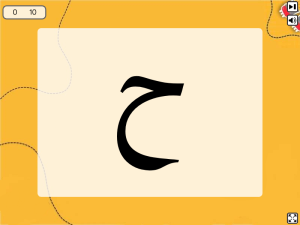
Tracing individual Arabic letters is a foundational step that is crucial for building the necessary motor skills and directional knowledge unique to the script. Arabic is written and read from right-to-left, and each letter has specific starting points and curves. Tracing systematically trains the child’s hand to follow these unfamiliar rhythmic movements and directionality. This repetitive, controlled practice develops the muscle memory and fine motor control essential for eventual free-hand writing, preventing poor habits and ensuring the child can execute the delicate lines and hooks that differentiate many similar-looking letters.
Furthermore, tracing plays a direct and powerful role in Arabic alphabet recognition. Unlike Latin script, many Arabic letters change shape depending on their position (initial, medial, final, or isolated). By tracing the letters in their isolated form first, the child learns the letter’s essential identity, shape, and sound. This kinesthetic engagement links the physical act of formation with the visual memory, which is vital for distinguishing between letters and recognizing their sound value. This early mastery of form through tracing lays the stable groundwork required for reading and writing fluency in the Arabic language.